Reviews: Shralpinism and Kandahar 1924-2024
The Art of Shralpinism: Lessons from the Mountains
By Jeremy Jones
Before digging into pro snowboarder Jeremy Jones’s sprawling, entertaining, highly useful and educational The Art of Shralpinism: Lessons from the Mountains, it’s best to turn to the inside back cover, where Jones posts the Shralpinist’s manifesto. Aphorisms such as “The Shralpinist is sometimes bold but always humble” and “The Shralpinist knows there is no shortcut to the top and remains patient and unflappable” offer sage advice to readers. (“Shralpinism” is a portmanteau of the words shredding and Alpinism coined by Jones.)
Jones is a snowboarding polymath and an influential voice in the freeride community. He’s the founder and longtime spokesperson of Protect Our Winters, the founder/owner of Jones Snowboards (specializing in splitboard models that can access the backcountry under human power) and an active filmmaker who has made documentaries including HBO’s Closer to the Edge.
The Art of Shralpinism: Lessons from the Mountains is his love letter to the massive mountain ranges and mountain lifestyle that have shaped his quite remarkable career. Part memoir, part instructional manual, part diary and even part sketchbook, this is a true delight to read and the type of book that anyone with a mountain soul will come back to time and time again.
Though Jones would likely protest, the book would serve readers well placed near the toilet, where they can
enjoy anecdotes of Jones’s far-flung adventures in Alaska, Jackson Hole and the High Sierra. Moreover,
margin notes like “Get Fit, Get Educated, and Get Going” apply not just to life in the mountains but to life in general. — Steven Threndyle
Mountaineers Books (2022), ISBN 13: 978-1-68051-330-1, 288 pages, softback, $29.95
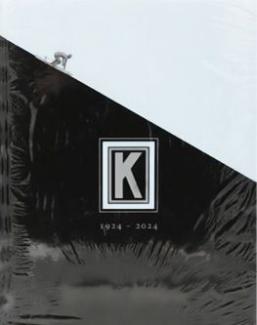
Kandahar 1924–2024: The Original Ski Racing Club
By Adam Ruck
Adam Ruck, a member of the Kandahar Ski Club, celebrates the centennial of Britain’s first ski racing club, founded on January 30, 1924 at Mürren, Switzerland. With the help of many photographs, he tells the tale of the well-to-do amateur spirit that the club fostered in both Alpine racing and boisterous partying. The book is full of names that may not be familiar to American readers, but Ruck has an enviable knack of showing how each has contributed to the K’s (as the club is known) success.
After World War I, as skiing became widely popular, all looked positive for the sport. But then came the
Depression, the Anschluss and World War II. During the 1920s and 1930s, the K experimented with the dual race Hindmarsh start, the Scaramangea roped race and the Golden Stick competition, which encouraged a “happy leaping from hillock to hillock, sometimes referred to as ‘goating.’” The influence of the Inferno run from top of the Schilthorn to the Lauterbrunnen valley was contagious: 127 skiers competed in 1972; 1,179 in 1979.
After World War II, the K sponsored young racers who competed internationally and organized citizen racing—a nice balance. Club members were enthusiastic to see their sport on the big screen when the James Bond film On Her Majesty’s Secret Service was filmed at the revolving restaurant at the top of Murren’s Schilthorn. It was wonderful advertising for the sport.
Privately printed for the club’s 1,700 members, for whom skiing is “like an arrow from an archer,” this history deserves a wider audience. — E. John B. Allen 
Kandahar Ski Club (2024). Order from the KSC website: Kandahar.org.uk. For delivery to UK, ₤45; to Europe, ₤50. For delivery to USA and Canada, contact: hon.sec@kandahar.org.uk.