2020s

Open to Public?
Off
Feature Image Media
Image
Timestamp

In 2021, record donations and a generous bequest put ISHA on solid ground.

For the eighth year in a row, donors to the nonprofit International Skiing History Association (ISHA) set a record for charitable giving in support of our mission. Thanks to the ISHA membership, individual donations in 2021 rose 2 percent over our previous best year (2020).

The 2021 Fundraising Campaign raised a total of $145,245 in gifts from 424 individuals and families. The ISHA Board of Directors thanks Christin Cooper and John McMurtry for leading the annual drive, and all those who participated so enthusiastically..

Sixty-two companies and organizations contributed

$53,350 in corporate sponsorships, up nearly 1 percent over the record year in 2019. Total unrestricted donations and sponsorships rose 15 percent over the Covid year of 2020.

In addition, ISHA received a substantial bequest from the Richard and Georgette Bohr Trust, totaling $292,000.

In 2021, membership dues covered about 18.2 percent of ISHA’s annual costs for publishing the magazine, maintaining the website, producing the annual ISHA Awards program and maintaining communications with the membership. The balance of the budget was met through charitable contributions, corporate sponsorships and bulk sales of the magazine to our museum partners. It was not necessary in 2021 to draw on investment funds.

On the expense side of the ledger, 63 percent of the budget went to support ISHA programs (magazine and website publishing, and the awards program). The remainder went to administration (member service, bookkeeping and audit, fundraising and member recruitment). ISHA incurred unusual, one-time tax-accounting costs due to Covid-related delays by the Internal Revenue Service in finalizing our transition from private to public charity status. On the other hand, for the second year in a row, expenses related to live events were greatly reduced, due to Covid-caused cancellations.

ISHA is a 501(c)(3) public charity, eligible to receive grants from family and community foundations, donor-advised funds and corporate-matching programs, in addition to direct contributions from individuals.

If you’re interested in supporting a specific ISHA program, please contact president Seth Masia at (303) 594-1657. If your firm would like to be a corporate sponsor, contact Peter Kirkpatrick at (541) 488-1933.

Financial Report 

Income 2021

 Bequest $292,000 (45% of revenue)

 Individual donations $145,245 (22%)

 Investment Income $105,058 (16%)

 Corporate sponsorships $53,350 (8%)

 Memberships $46,165 (7%) 

 Magazine sales (museums, other partners) $7,401 (1%)

Total revenue $649,219

Expenditures 2021

 Magazine content/editorial $73,408 (29% of expenses)

 Magazine printing & distribution $36,726 (14%)

 Events, ISHA Awards program $40,553 (16%)

 Website content and management $10,967 (4%)

 Administration & bookkeeping $73,305 (29%)

 Fundraising, member recruitment $16,566 (7%)

 Audit, tax preparation $1,900 (1%)

Totat expenses $253,425

Donor Honor Roll

Listed here are the donors who supported ISHA’s mission with tax-free donations and gift memberships above and beyond their membership dues in 2021. 

PINNACLE CLUB $10,000 and up

  • Nicholas Skinner
  • Barry & Kristine Stott

CHAIRMAN'S CIRCLE $5,000 to $9,999

  • Beekley Family Foundation
  • Jake & Maureen Hoeschler, Horizon Agency
  • Jean-Claude Killy
  • Liza-Lee & George Kremer
  • Jack Nixon, In memory of Gwen James Nixon

SUPER Giver $2,000 to $4,999

  • June Brusak, Bohr Trust
  • Mike & Carol Hundert, In memory of Coach Bob Beattie 
  • Stephanie McLennan
  • Nicholas Paumgarten
  • Dr. Stephen Storey, In memory of Stefan Seigman

HISTORY LEADER $1,000 to $1,999

  • Skip Beitzel, Hickory & Tweed Ski Shop
  • Dr. Gretchen Rous Besser, In memory of Albert G. Besser 
  • Cali Brooks, Adirondack Foundation
  • Jackie & John Bucksbaum, John & Jacolyn Bucksbaum Family Foundation
  • Gerald Butters, DBDI, LLC
  • John J. Byrne, Cirque Property, L.C.
  • Jim J.C. Clarke
  • Christin Cooper, In memory of John Fry
  • Nancy Cushing Evans, Castle Ridge Management
  • Brian Fairbank, The Fairbank Group
  • E. Nicholas Giustina
  • Peter Kellogg, Peter R. & Cynthia K. Kellogg Foundation 
  • Peter Looram
  • Seth Masia, In memory of Dick Bohr
  • Juliette McLennan
  • Marvin & Renee Melville
  • Metropolitan New York Ski Council
  • David Moulton
  • Richard & Deborah Pearce
  • Charles & Janet Perkins
  • David Scott
  • Barbara Alley Simon
  • Mr. & Mrs. Barry Stone, In memory of Jeff Stone
  • Otto Tschudi
  • Lee Turlington, In memory of Marcel Barel
  • Thomas Wilkins

GOLD MEDALIST $500 to $999

  • Osvaldo & Eddy Ancinas, In Memory of John Fry
  • Graham & Christie Anderson, In memory of John Fry
  • Carol Atha
  • Brian Balusek
  • Michael & Diana Brooks
  • Michael & Jennifer Calderone
  • Chris & Jessic Davenport
  • Yves Desgouttes
  • James Duke
  • Jack & Kathleen Eck
  • Sally Faulkner
  • Peter Fischer
  • Mitch & Kim Fleischer
  • Jim & Barbara Gaddis
  • Hugh Harley, In memory of John Fry
  • Martha Head
  • Ron Hoffman
  • Adolph Imboden
  • Bill Irwin
  • Wini Jones
  • Michael Lafferty
  • Chris Lizza, In memory of Dave McCoy
  • Win Lockwood
  • John Logan
  • John Lovett
  • J. Howard Marshall
  • Debby McClenahan, In memory of John Fry
  • David Moffett
  • Bradley Olch
  • Philip Palmedo
  • Penny Pitou, Penny Pitou & Milo Pike Charitable Fund of the New Hampshire Charitable Foundation
  • Peggy Proctor Dean
  • Ken Read
  • Charles Sanders, In memory of the 10th Mountain Division KIA
  • Geoff Smith
  • Bob Soden, In honor of Kathleen James
  • Einar Sunde
  • Karl Wallach
  • Peter Weaver, In memory of Bill Everett

SILVER MEDALIST $100 to $499

  • Guy Alexander
  • Bunch Family, Alpine Ski Shop, In memory of Eddie Bunch
  • Coralue Anderson
  • Albert Arnaud, In memory of Marcel Barel
  • Gordon Arwine
  • Bob & Tina Ashton
  • Alan Baker
  • F. Michael Bannon, In memory of John Howe
  • Pat Bauman
  • Phil Bayly
  • Kevin Beardsley & Cindy Gimble
  • Stephen & Louise Berry
  • Michael Bing
  • Heather Black
  • Tom Blair
  • Mickey Blake
  • Robert & Marilyn Bolduc, Piche’s Ski Shop
  • Junior & Maxine Bounous, Junior Bounous Ski Inc.
  • C. Keith Bowen, Dynastar/Lange
  • Peter Brainard
  • Sally Brew
  • Bill Briggs
  • Michael Briggs
  • G. Stanley Brown
  • Jan & Judith Brunvand
  • Charlie & Mary Seaton Brush
  • Doug Campbell
  • Duncan Campbell
  • Wendy Carey, Seirus Innovation 
  • Frank Carrannante
  • Rick Carter
  • Warren & Gretchen Cash
  • Tracy Clark
  • Sven & Mary Dominick- Coomer
  • Jay Cowan
  • Jim Cox, In memory of Dave & Roma McCoy
  • Richard Crumb
  • Andrew & Lucinda Daly, Powderhorn Ski Company
  • George & Jean Davies
  • Mike Day
  • Mike Delich, Fernie Skiing History & Wall of Fame
  • Peter Dirkes
  • Dave Donaldson
  • Randy Draper
  • Greg DuPratt
  • Dorothy Dyer
  • Curtis Emerson
  • Deb Essex
  • Gregory Fangel, Woodenskis.com
  • Thomas Farda
  • Ingie Franberg
  • Robert Fries & Deborah Teal
  • Victor & Karin Frolich
  • Ken Gallard, In memory of John Fry
  • Caleb & Sidney Gates
  • Hans Geier, In memory of John Fry
  • Kirby Gilbert
  • Rick Glesner
  • Robert & Leanore Goode
  • Peter Graves
  • James Graves
  • Vernon Greco
  • John Greenwood
  • Larry Gubb
  • H. Fred Haemisegger
  • Susie Hagemeister, In honor of Hans Hagemeister 
  • D. Anne Heggtveit Hamilton
  • David Hanscom, In memory of Dick Bohr
  • Bettie Hastings
  • T. Newlin & Liz Hastings
  • Stefi Hastings, In memory of John Fry
  • Bob Hatcher
  • Robert Havard
  • Cathy Hayward, Alpine Sports Shop
  • Thomas Hayward
  • Lisanne & Bill Hegman
  • Brett Heineman
  • Tom & Roberta Heinrich
  • Gary Hohl, Helm of Sun Valley, San Mateo
  • Ray Hilliard
  • John Hoagland
  • Karin Hock - Baker, In memory of Nick Hock
  • John Hood
  • Paul & Katherine Hooge
  • Bill Howell & Jeanne Wadsworth
  • Joe Irwin
  • Steve Irwin
  • Scott Jackson
  • Greg Jackson
  • Jeffrey Jacobs, Foot Dynamics
  • Marilyn Jacobs, The Jacobs Family
  • Philip & Brigitte Johnson
  • Terrence & Patricia Johnson
  • Alison Jones, Ken Jones Ski Mart
  • Kirk Jordan
  • Harry & Carolyn Kaiser
  • David Kaufman
  • Hank Kaufmann
  • Stuart Keiller
  • John & Denise Kelley
  • Mike & Gail Kendrick
  • Peter King
  • Ron Kipp
  • Peter Kirkpatrick, In memory of Bob Beattie
  • John Kirschner
  • Leon Kirschner
  • Earl Kishida
  • Bill & Kate Koch
  • Mike Korologos
  • Madi Kraus
  • Erik Kvarsten
  • William Lash
  • Charlie Leavitt
  • Jeffrey & Martha Leich
  • Walt Levering
  • John Lewis
  • Sandy & Colleen Liman
  • Alan Lizee
  • Jean Luce
  • John Lundin
  • Phil Lutey, Heritage Motors
  • James & Dianne Mahaffey
  • Tom Malmgren
  • James Mangan
  • Bob & Trudy Matarese
  • Jeff Mayfield
  • John McMurtry, In memory of John Fry
  • Christine McRoy
  • Paul Mehrtens
  • Mark A. Miller, Antiqueskis.com 
  • Louisa Moats & Steve Mitchell
  • Rod Morgan
  • Halsted Morris
  • Janet Mosser, In memory of Donn Mosser
  • Roger Moyer, Aspen Painting
  • Trygve Myhren, Myhren Media, Inc.
  • Paul Naeseth
  • Michael Neal
  • Connie Nelson, Alf Engen Ski Museum Foundation
  • Keith Nelson
  • Robert Nessle, New York Museum of Skiing
  • Greg Newton, In memory of Stein Eriksen
  • Gary & JoAnn Olson
  • George Page
  • Deanna & Val Painter
  • Tom Parrott
  • Ruth Parton
  • Fred Passmore
  • Tom & Sally Patterson
  • Peter Pell
  • Albert & Carol Pierce
  • Tom Pierce & Lu Ann Dillon
  • Donald Pitkin
  • Michael Prinster
  • Thomas Quinn
  • Mr. & Mrs. Christian Raaum, In memory of Gus Raaum
  • Carey & A. Todd Rash
  • Haldor Reinholt, Reinholt Real Estate
  • Byron Rempel
  • Ken Rendell
  • Marsha Rich
  • Rick Richards
  • Alex Riddell
  • David Ries
  • Matt Rittmann
  • Bill Roberts
  • Mary Sargent
  • David Schames
  • Don Schwamb
  • Bill Scott
  • Thomas Shanahan
  • Tom & Sandy Sharp
  • John & Judy Sherman
  • Brad Simmons
  • Donald Simonds, In memory of Joe Dodge
  • Andy Simonds
  • Richard Sippel
  • Debbie Fallon, Ski Barn, In memory of Carol & Richard Fallon
  • Lowell Skoog
  • Preston Smith
  • Terrell & Tammie Smith
  • Robert Sorvaag
  • Rick Stark
  • Arthur Stegen
  • Joan Stevens
  • Scott Stillings
  • Nancy Stone, Buck Hill, Inc.
  • John Stout
  • Sam Stout
  • William & Carolyn Stutt, The Carwill Foundation
  • Joannie & Mark Ter Molen
  • Robert & Sue Thibault
  • Simeon Thomas
  • Barbara Thornton
  • David Thurgood
  • Charles Todd
  • Nancy Twitty
  • Charles H. Upson
  • Louise Van Winkle
  • Egils & Patricia Vigants, Parsons Group
  • James Vipond, In honor of Rick Moulton
  • Richard & Barbara Wagner
  • Karl Wallach
  • Lawrence Walsh. In memory of Walt “”The Wordsmith” Roessing
  • Annie Ward
  • Ray Dave Watkins
  • William Watson
  • Richard Wein
  • Loris & Deb Werner
  • Thomas Wies
  • Jon Williams, In memory of Ron LeMaster
  • Heggie & Julie Wilson
  • Maurice Woehrle

BRONZE MEDALIST Up to $99

  • Nancy Abens
  • Brenda Agamie
  • Bob & Margi Albrecht
  • Vicki Andersen, NASJA West
  • Todger Anderson
  • Larry Asay
  • Michelle Avery, Steamboat
  • Springs Real Estate
  • Suzi Bailey, In memory of Kelly Taylor
  • Edward Baldwin, Baldwin & Franklin Architects
  • Deborah Bancroft
  • Milton Barrett, In memory of Clyde Jacobs
  • James Schaefer, Berkshire East/Catamount Ski Resorts
  • James Berry
  • J. Truman Bidwell, Jr.
  • Suzanne Hoffman, Blizzard Ski Club, In honor of Chuck & Lydia Roberts
  • Ashley Blondel
  • Spencer Bocks
  • Jim Bogner
  • Robert Bossange
  • Richard Boutelle
  • Robert Boyle, In memory of Gus Gnehm
  • Robert Boyle & Christana Gnehm-Boyle
  • Chris Brigham
  • Frank Brown
  • Rouene Brown
  • Nancy Brucken
  • Robert Campbell
  • Chris Cannon
  • Richard Carrick
  • Joseph Chaisson
  • Harvy & Reserl Chalker
  • Ned & Jan Cochran, In memory of Tage Pedersen
  • Katherine Coppock
  • Norman Cox
  • Art & Sharon Currier
  • Christine Davidson
  • Chris Dawkins
  • Michael Dawson & Vicki
  • Dunaway
  • Peter Duke, Duke Ventures LLC 
  • Anne Dunigan
  • Robert Ebling
  • Kathryn Edwards
  • John Fallon
  • John Farley
  • Keith Fleischman
  • Susan Fox
  • Margaret Fuller
  • Bill Fundy
  • Bruce Gaisford
  • Wolf & Nancy Gensch
  • Wende Gray, Gray Marketing, In memory of Judy Weston
  • Bill Green
  • Janet Gregor
  • Edson Hackett
  • Ernst Hager
  • Greg Hall
  • Katherine Hart
  • John Hawkins, Otnes USA
  • Larry Heath & Carrie Damp
  • Nathan & Monica Hill
  • John Holland
  • Bill Humes
  • Russell Hunter
  • Kris Husted
  • Julien & Trudie Hutchinson
  • Kathleen James, In memory of John Fry
  • Brad Johnson, Sojourn
  • Adventures & Marine
  • Kirk Johnson
  • Josh Kahn
  • Jeff Kahn
  • Paul Kenny, Paul Kenny Real Estate, Inc.
  • Pete Kolp
  • William Kravitz
  • Gilman Lang
  • John Lippman
  • Ellen & Brian Longenecker
  • Karl Lund & Alicia O’Meara
  • Kevin Lutes
  • John Lutz
  • Dick & Joann Malmgren
  • Dan & Lucie Matthies
  • Evelyn Pitt McLaughlin
  • Jim McWethy
  • Charles Mead
  • Wayne Metcalf
  • Donald & Susan Miller
  • Louis Miller
  • Michael Moore
  • Jim Morris
  • Christopher F. Moulton
  • Teresa Murtagh
  • Carolyn Nally
  • Barbara Nelson
  • Christopher Newell, In honor of Chris Newell
  • Ralph Nodine, Mrs. Catherine Nodine
  • Scott Peacock
  • Karl Pfeiffer
  • Roland Puton
  • Tom Quarles
  • Charles Quinn, In memory of Ted Johnson
  • Scott Ransom
  • Edward Rengers
  • John Reynolds
  • Joseph & Cynthia Riggs
  • Paul Rogers
  • Jan Rozendaal
  • Fred Runne
  • Fred Schaaff
  • Henry Schwarzberg
  • Eric Seaborg
  • Les Seely
  • Michael Smith
  • Edward Smith, EFS Appraisal
  • John & Ann Spencer
  • Glenn Spiller
  • Audrey Staniforth
  • Rick Stoner
  • Eric Strobel
  • John & Pat Taylor
  • Matt Thibodeau
  • Polly Thompson
  • Pascal Tone
  • Brent & Bonnie Tregaskis,
  • Snow Summit Ski Corp
  • Edward Trudel
  • Patrick Walsh
  • Arthur Watson
  • Lisa West
  • Lon Whitman
  • Murray Wood
  • Brian Wyckoff
  • Frederick Yost

ISHA heritage Partners

These museums and organizations actively support ISHA by providing our journal, Skiing History, as a benefit to their members and donors. We’re proud to share our mission of preserving skiing history with these institutions, and we encourage you to support them!

U.S. Ski and Snowboard Hall of Fame & Museum
www.skihall.com

Canadian Ski Hall of Fame and Museum
www.skimuseum.ca

Alf Engen Ski Museum
www.engenmuseum.org

North American Snowsports Journalists Association
nasja.org

Swiss Academic Ski Club
sas-ski.ch

Category
Open to Public?
Off
Feature Image Media
Image
Timestamp

Can Vail Resorts improve employee and customer relations?

By Seth Masia

From the January-February 2022 issue

(Posted February 12, 2022) Overcrowding and staff shortages at ski resorts first attracted the attention of local and online media at the end of 2021, then in January spread to traditional outlets like the New York Times, Wall Street Journal, statewide papers like the Denver Post and Seattle Times, and special interest magazines such as Outside

To be fair, resorts faced the same issues as businesses in general: namely labor shortages and slow delivery of inventory. When a shortage-afflicted business takes payment up front, fulfillment and customer services deteriorate. Late delivery angers customers.

That’s what happened at ski resorts this winter. Covid accelerated and exposed long-term trends, creating a perfect storm of employee and customer angst. A booming real estate market and an increase in Airbnb-type short-term rentals pushed the housing shortage from chronic to acute, which, combined with decades of static wages, forced employees into onerous commutes. Many employees simply declined to work that way, and when Covid put remaining employees in isolation, there weren’t enough bodies to shovel or make snow, drive groomers, maintain equipment, bump lifts, patrol and teach, flip burgers, make beds, punch cash registers, fit rental boots and provide childcare. At the same time, skiing seemed a Covid-safe outdoor activity, season passes were cheap, and skier visits on peak days soared. Ski retailers sold out early, highways and parking lots jammed up, and skiers stood in 40-minute lift queues. Skiers tolerate the late arrival of natural snow, but when the snow is great and the lifts don’t turn, they fume.

Vail Resorts was a particular target of consumer fury, incurring an organized protest movement and threats of class-action lawsuits, beginning at Stevens Pass, Washington. There, more than 44,000 skiers signed an online petition calling VR responsible for failure to open lifts and terrain, and about 300 complaints went to Washington’s Attorney General Bob Ferguson. By late January a new general manager, Tom Fortune, was turning the corner, solving some of his staff issues and opening popular backside access. The fixes were simple: more efficient use of available employee housing, increased employee shuttle service and new hiring. VR also offered the resort’s passholders deep discounts to sign up for next winter, and promised to extend the season through April. It’s worth noting that Vail very publicly bumped its minimum wage to $15 per hour in the key states of Colorado, Utah, California and Washington—but in the pre-Covid era VR’s average hourly wage for its roughly 47,000 seasonal employees was around $12 per hour. In mid-January VR offered a $2-an-hour bonus for employees who stay on until the end of the season.

In recent years, VR has set itself up for local disaster. The universal Epic Pass was a huge boon to average skiers, and a tonic to investors; it has transformed the resort industry with one simple, game-changing mantra: Skiing will now be purchased in advance. Meanwhile, VR took steps to bolster the bottom line for shareholders, such as slashing middle-management salaries by centralizing most corporate functions at its Broomfield, Colorado headquarters. The unintended consequence is a corporation slow to react to emerging local problems. Off-site marketing and finance personnel are blind to the nuances of local markets, and local issues. But the bridge too far was the cutback in local human-resources personnel, and the consequent loss of on-site expertise in local recruiting tactics, transportation and housing issues. Payroll functions were moved to an app that didn’t work.

As part of VR’s campaign to maximize margin in every segment, it built retail, lodging, food service and transportation enterprises that compete with local businesses. Building employee housing is always difficult, but alienating prominent locals doesn’t help.

VR cut the price by 20 percent and sold more than 2.1 million Epic Passes last summer, up 76 percent from pre-Covid 2019. According to its December 9 quarterly report, the company sailed into the season holding $1.5 billion in cash. It can well afford to spend what’s needed to fix local problems. Those problems now include settling class-action lawsuits by employees, meeting obligations under new collective bargaining agreements—and fixing housing and transportation issues. While they’re at it, they need affordable learn-to-ski packages for first-timers who get the itch in January, and improved access to free or cheap parking.

The original Vail Associates, from opening day in 1962, set the gold standard for American skiing. Vail offered the best slope grooming in the world. It recruited a top-ranked ski school. Vail’s managers, many of them veterans of the 10th Mountain Division, promoted skiing culture, for example by enlisting well-known skiers like Pepi Gramshammer and Dave and Renie Gorsuch to establish businesses in town, and later, under George Gillett, by bringing the World Championships to town. When the private equity firm Apollo Partners took VR public in 1997, they did what Wall Street always does: managed for shareholder value rather than customer and employee morale. To skiers, it now looks like VR has been cannibalizing VA’s good will.

According to annual reports, in fiscal year 2019 (the last pre-Covid year), VR’s mountain-operations revenue was $1.9 billion, and company-wide gross profit margin (EBITDA) was 36 percent. The National Ski Areas Association Economic Analysis shows the average large North American ski resort EBITDA then at about 26 percent. The difference was not only Vail’s success in selling season passes, but in strict cost control. To solve the employee crunch and relieve skier crowding, VR may have to give back some of that margin. With its 25 percent market share (in skier visits), the sport needs VR to succeed.

Will spending that money affect the stock price? Some 95 percent of VR stock is held by institutional investors, who may not care much about employee and skier morale. Closely held resorts have more freedom of action, and they’ve shown it this season to the benefit of their guests, employees and the communities they operate in. The other major resort conglomerate, Alterra of the Ikon Pass, has from day one taken the decentralized path, ceding control to its individual resorts. Aspen in mid-February gave a $3-an-hour raise to every employee in the company.

Rob Katz, the change-agent who created both the Epic Pass and VR’s 44-resort empire, stepped down as CEO in the fall and is now executive chairman of the board. His handpicked successor, veteran Kirsten Lynch, the data-driven marketer who has brainstormed the Epic Pass metrics, is now in the hot seat. “One of the hallmarks of our company is agility and change,” Lynch told the Wall Street Journal in its January 15 story “Steep Slope for a Ski Empire.” By the time you read this, in March, we’ll have seen how agile VR can be.

Follow-up, March 14: Vail Resorts raises minimum wage to $20 an hour  --Vail Daily


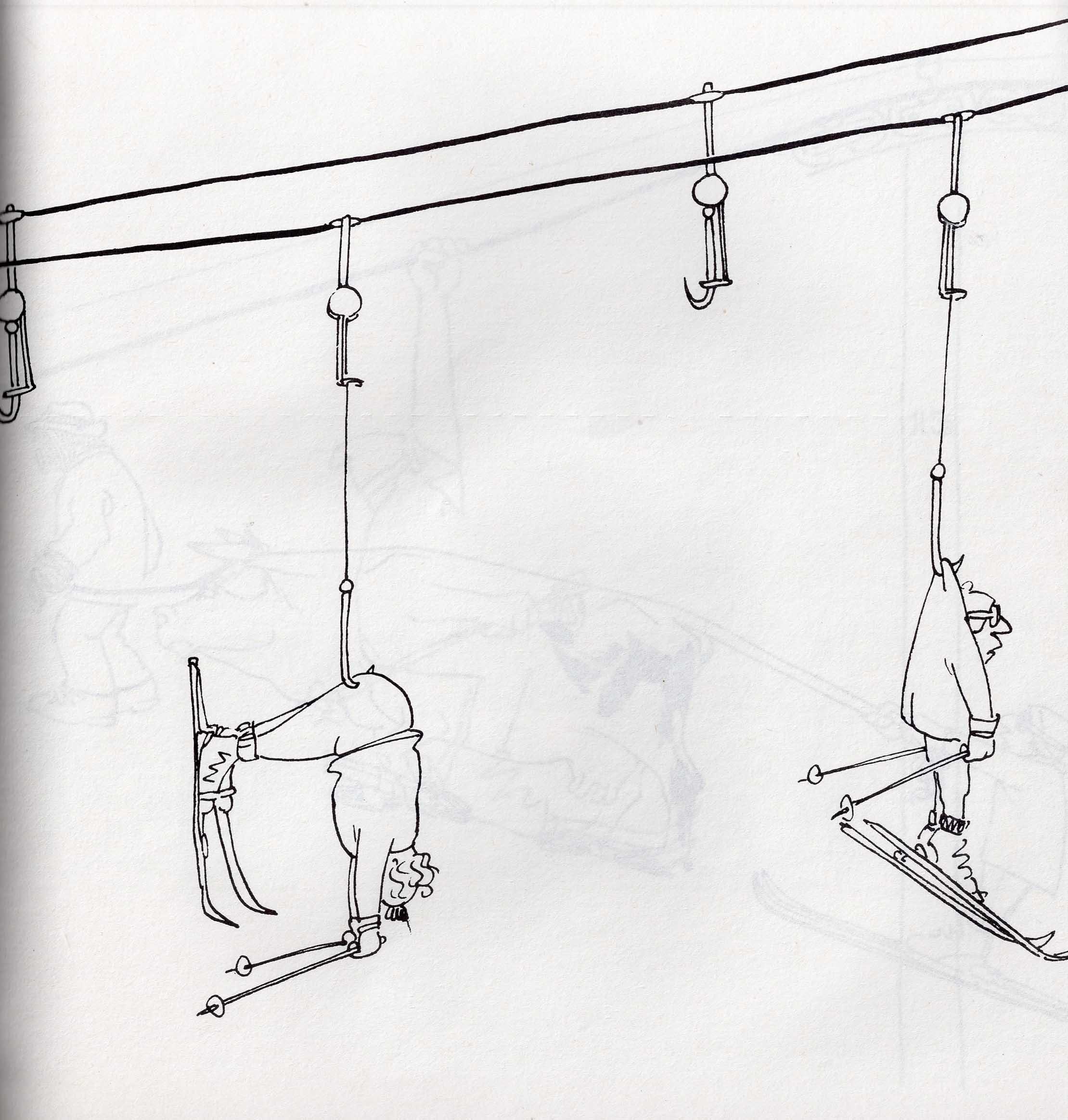
Image at top of page: Skiers on the hook, by Rudiger Fahrner

Category
Open to Public?
Off
Feature Image Media
Image
Timestamp

Catamount/Berkshire East is proud to support ISHA as a corporate sponsor.

Category
Open to Public?
Off
Feature Image Media
Image
Timestamp

Polartec is a proud corporate sponsor of ISHA.

Category
Open to Public?
Off
Feature Image Media
Image
Timestamp

Please join us for Skiing History Week in Sun Valley, March 23-26!

Since 1993, Skiing History Week has been the high point of ISHA’s year—a chance for members to ski together and celebrate the traditions and culture of our sport. For the past decade the History Week events have been held in partnership with the U.S. Ski & Snowboard Hall of Fame.

This year, ISHA honors Jeff Leich, retiring executive director of the New England Ski Museum, with a Lifetime Achievement Award. For the list of award-winning books and films for 2022, go to skiinghistory.org/annual-award-archive.

For ISHA Banquet tickets, and information on discount lodging and lift passes, see skiinghistory.org/events. For Hall of Fame tickets, go to skihall.com/induction/tickets/

ISHA directors and staff will attend the New England Ski Museum’s Hannes Schneider Cup race in North Conway, New Hampshire, on March 5, and the Hall of Fame’s Eastern Induction Banquet at Bretton Woods that same evening. Please look for us!

2021 Fundraising Success

As 2021 drew to a close, ISHA members and corporate sponsors stepped up with generous contributions to another successful annual fundraising drive. More than 400 individual donors and foundations, and 61 corporate sponsors, helped ISHA to meet its revenue targets for the year. Membership dues cover only about 20 percent of ISHA’s costs to publish Skiing History magazine, produce the annual ISHA Awards program, recruit new ISHA members and continually expand the content of the website skiinghistory.org. Your tax-deductible donations make all the difference. 

SKIING HISTORY WEEK: ISHA EVENTS SCHEDULE

March 23

  • 5:00 pm Welcome Reception and The John Fry Presentations, Sun Valley Lodge
  • 7:00 pm ISHA Film Award winners: 120 Years of the Arlberg Ski Club
  • 7:30 pm Dear Rider: The Jake Burton Story

March 24

  • 8:30 am Retro Ski Day, Warm Springs Base
  • Noon ISHA Luncheon (Dutch), Roundhouse
  • 5:30 pm ISHA Banquet Reception, Sun Valley Lodge
  • 7:00 pm 30th Annual ISHA Awards Banquet, Sun Valley Lodge

March 25

  • 5:00 pm ISHA Film Award winners: In Pursuit of Soul
  • 5:30 pm Spider Lives: The Spider Sabich Story

March 26

  • 5:00 pm Hall of Fame banquet, Sun Valley Lodge

Photo top courtesy Sun Valley Resort

Team Up With ISHA and Amazon

Shop at smile.amazon.com and Amazon will donate .05 percent of your purchases to ISHA, at no cost to you. Sign up at Smile.amazon.com/ch/06-1347398. This link takes you directly to ISHA’s new AmazonSmile account, where you can make your usual Amazon purchases while providing a new funding source for ISHA. Just select “Sign-in” at the upper right corner of the page.

Category
Open to Public?
Off
Feature Image Media
Image
Timestamp

We bid adieu to Ron LeMaster, Aaron Feuerstein, Barry Hollister and Harry Kaiser.

See Obituaries.

Ron LeMaster
Category
Open to Public?
Off
Feature Image Media
Image
Timestamp

What a wonderful compliation of history and music made available through the web site (“History of Ski Music and Song,” September-October 2021). Appreciation to the author, Charlie Sanders. I was especially impressed by his wide ranging and through knowledge of ski related songsters from the 1950s and 1960s. Mr. Sanders really blew my mind as he described the contribution of Mike Cohen’s collection of ski songs, To Hell With Skiing! published in 1967 and his description of the contributions made by Mr. Cohen’s ski lodge Trailside, near Killington, Vermont. Mr. Sanders’ recollections were spot on and brought back a flood of memories. In the 1960s I had the opportunity to stay at Trailside. It truly was a life changing experience. Entertainment was provided by the guests themselves. Instruments hung from the living room walls. All were invited to take an instrument and share a story, tune or a song. It was the coolest thing a young teenager from the ’burbs like myself could experience. I should also add that my photograph is included as part of a song in To Hell With Skiing! I am “The Cold Skier Man.”

Mark Plaat
Albany, New York

Jubel to Norway

Congratulations with a very Norwegian issue in September-October: An extensive story on Kari Traa, review of the book on Andreas Wyller (who won two of the three first national championships, in 1938 and 1940, and led the clearing of the trail which carries his name), and then the Northland story involved several Norwegians. Keep it up!

Jon Vegard Lunde
Lillehammer, Norway

Farewell to Ron LeMaster

Ron was a very humble and quiet person, yet he produced the most amazing photo sequences of ski runs. His analyses were phenomenal and his technical expertise superb, all documented by the undeniable evidence of his photography. The photos produced the most appealing confrontation and learning opportunity for everybody—experts, beginners, professionals, amateurs, J5 or Masters.

He skied at the University of Colorado and coached there from 1977-79. He graduated and taught in the Physics Department. His passion for the physical analysis of the ski turn was legendary. The Ski World will miss Ron, the artist of motion dissection.

Richard Rokos
Former University of Colorado Ski Coach

Boulder, Colorado


Courtesy Greg Fangel

Northland Revived

Here’s a followup to the early history of Northland Skis (September-October 2021). We bought the Northland trademarks in 2013 and began selling skis we make by hand right here in Steamboat. It’s a modern all-mountain carving ski made of hickory/ash laminates in the Northland tradition, reinforced with Kevlar and carbon fiber, making a unique blend of traditional and modern materials. See our website northlandskis.com.

Peter Daley
Northland Skis
Steamboat Springs, Colorado

Here’s a postscript to the article “Northland Skis: Fire and Feuds in St. Paul” (September-October) about Christian Lund, Northland Skis, and Martin Strand, who produced some of the first high-quality skis for retail sale.

In 1931, Northland donated a “very good pair” of its heaviest jumping skis for the winner of the Cle Elum Ski Club tournament. Its letter said “nearly all of the best skiers prefer skis that weigh around 15 lbs. or slightly less. It is our opinion that whenever a pair of jumping skis goes beyond 16 lbs. in weight, they are too heavy, no matter how large the hill.” Their local dealer in Cle Elum, Washington, Parchen Hardware, displayed the skis before the tournament.

The company’s letterhead has a picture of C.A. Lund, president, saying he had “taken part in many tournaments abroad and in this country, and has kept in close contact with the sport and with skiers of prominence. Mr. Lund has followed and aided in the development and growing popularity of skiing and is a recognized authority on the sport.”

John W. Lundin
Seattle, Washington

More on Megève

Regarding my article “Baroness Mimi and Mont d’Arbois,” (November-December 2021), I’d like to add that Megève heads into its second century as a partnership between Benjamin de Rothschild and the Four Seasons Hotels group, rechristened the Four Seasons Hôtel Megève. Pampered guests will find first-class amenities, Michelin-starred food and an exquisite spa. Ariane de Rothschild led the interior design work with a view to maintaining a connection to the resort’s past.

Bob Soden
Montreal


Letters to the Editor: We’re All Ears

There may not be a more experienced and distinguished readership in the ski industry than ISHA’s audience. We’d like to hear from you. Send letters to the editor to seth@skiinghistory.org. Please include your name and your town of residence.


Category
Open to Public?
Off
Feature Image Media
Image
Timestamp
Author Text
By Edith Thys Morgan

What to Expect When You're Inspecting

By Edith Thys Morgan

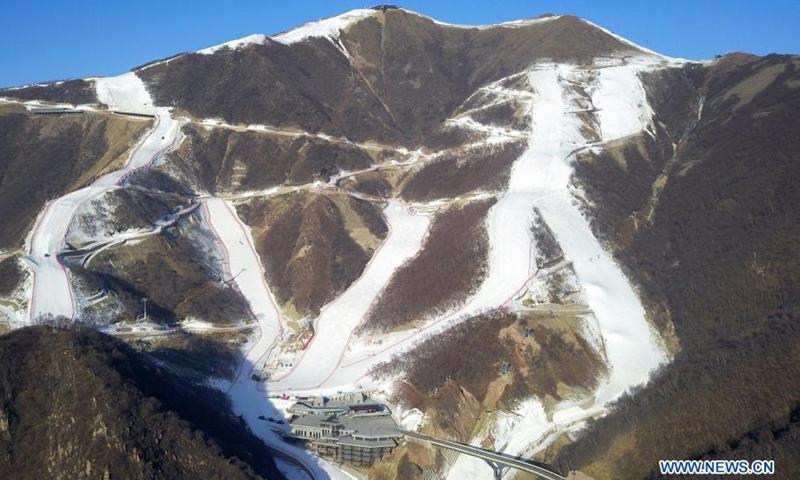
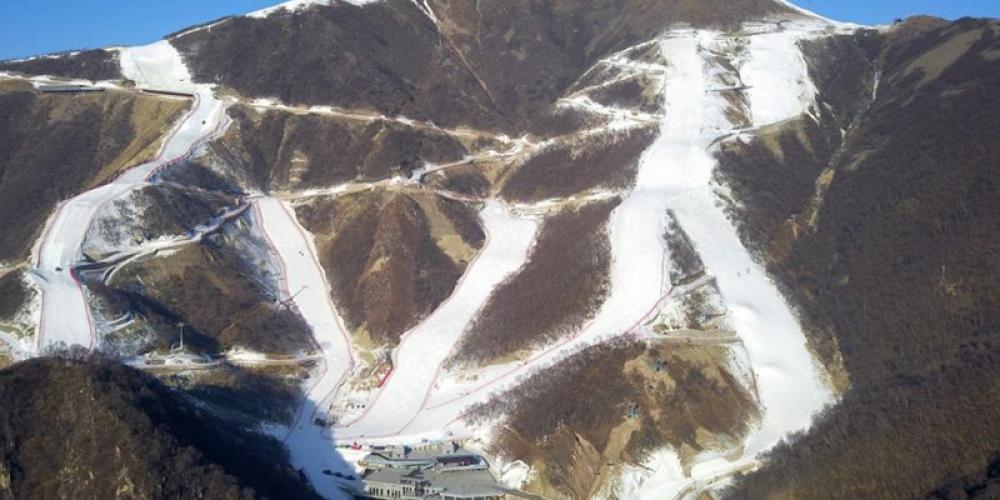
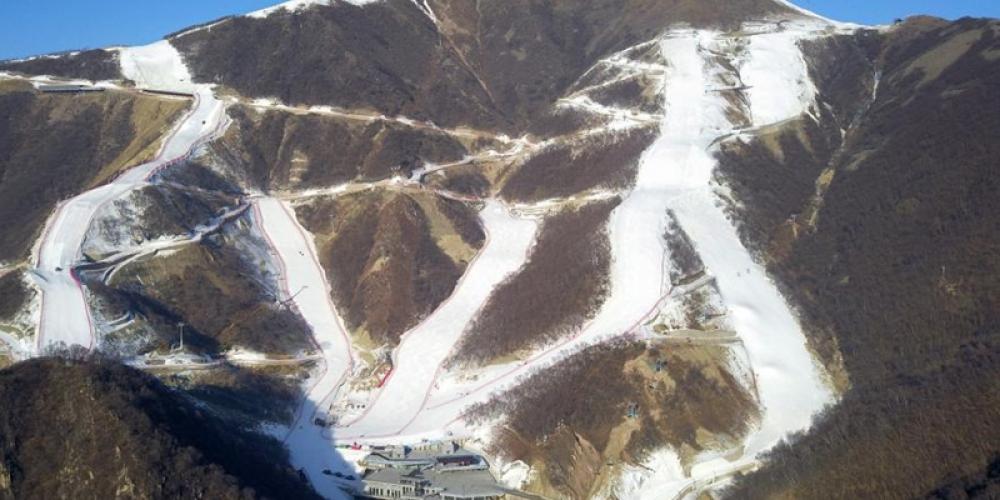
When Alpine skiing athletes head to the Beijing Olympics, they will do so with an unprecedented lack of knowledge about the venue. While Nordic and freestyle events will be contested at known recreational venues in the Zhangjiakou Competition Zone, 140 miles from Beijing, the Alpine events will be in the more mountainous Yanqing Zone. Remote Xiaohaituo Mountain, 55 miles northwest of Beijing, receives little, if any, natural snowfall. All of its facilities, including the race trails designed by Bernhard Russi, were constructed for the Games.

It is not unusual to build a venue explicitly for the Olympics, nor for athletes to have had limited exposure to the venue. Ideally, however, FIS holds at least one World Cup test event in the year prior or, failing that, a Continental Cup–level competition. In 1988, for example, the Nakiska resort was built to host Calgary’s Alpine events, and in the season before the Games it hosted women’s NorAm and men’s World Cup competitions. New venues in both Sochi and PyeongChang hosted World Cup races prior to the Games.

The Alpine venues for Beijing, however, have hosted no World Cup events because of the pandemic. The only test event was a series of FIS competitions with, at most, seven Chinese athletes—none of whom were World Cup level— in each event. They competed on a downhill course that was shortened from 890 meters drop to 470. Compounding the mystery is an air of secrecy surrounding every aspect of the Games. Those who have first-hand knowledge are tight-lipped to preserve their livelihoods, and information flows on a need-to-not-know basis.

WHY IT MATTERS

Test events accomplish many things. First, they give organizers a dry run  testing everything from the venue itself—things like terrain and safety features, snowmaking and course set—to the logistics of running a world-class skiing event. These include timing systems, course workers, safety protocols, schedules, transportation, access and many other processes.. Second, test events reveal which areas may need improvement or even wholesale change. Such was the case at PyeongChang’s Jeongseon Alpine Centre, where sections of the downhill course laid out in the summer were entirely reset after testing by top-level athletes. Terrain features, like the spectacular bumps that are typically built into new courses, can’t be called safe until run at race speed. Finally, testing also gives athletes a chance to become familiar with the courses, which can in turn help their preparation.

WHAT WE DO KNOW

Piecing together point-of-view footage and the venue’s topography—long, flattened ridges that run along spines, then dive down steep pitches—a few things are clear. Where it is steep, it is very steep—especially the 68-degree pitch out of the start and another sustained plunge with four full downhill turns. Those translate to high speeds—but how high, nobody knows. And where it is flat, especially in the narrow canyon runout at the bottom of the course, it is very flat.

The “Whiteface” section of the course may be an homage to the 1980 Olympic venue or to the prevailing temperatures. This past October the mercury dipped to 9 degrees Fahrenheit, and the wind, as one visitor described, “blows like crazy.”

The snow is entirely man-made and will be, Russi promises, the consistency of concrete. This is a good thing to forestall course deterioration but will make it nearly impossible to reshape any terrain features after the forerunners give the course its first real test, a few days prior to the event.

EQUIPMENT CHALLENGES

The lack of testing presents a unique challenge for ski technicians. Typically, they arrive armed with their own experience plus a database of historical snow and weather conditions for the venue. In Beijing they will have nothing to go on but the data gleaned from previous skicross and snowboard events in Zhangjiakou’s “Secret Garden” —some 30 miles away—as well as climate and geographical information. Chemist Thanos Karydas, founder of Dominator wax, gathered winter data on the area: average annual snowfall of 5cm/2 inches, high winds, very low temperatures, sunny days and clear nights. He knew it would not be business as usual. Karydas explains, “The rule with wax is that it has to be harder than the snow,” to which he adds, “and everything that is in the snow.”

In this case, that includes heavy concentrations of clay and salt in the snowmaking water (piped in 7.5 km/4.6 miles from two reservoirs), as well as the sand blowing in from Mongolia and debris from the massive earthmoving during trail construction. Dominator formulated a special series of Beijing waxes for extreme cold temperatures, extremely aggressive snow and massive daily temperature swings due to sun exposure.

WHAT THE ATHLETES SAY

World Cup ski racers are trained by their sport to be adaptable, and in press interviews they have been mostly optimistic, seemingly comforted by the egalitarian lack of information and experience. In other words, nobody will have an advantage. Some have voiced concern over the restrictions and logistical hoops that are outlined in their International Olympic Committee-issued “playbooks” and gleaned from athletes who recently returned from China. Others, like Swiss downhill favorite Beat Feuz, sum up the understandable frustration of having a third straight Olympics in a place devoid of skiing culture and fans: “They’ve been great competitions,” Feuz said of Sochi in 2014 and PyeongChang in 2018, “but after Wengen and Kitzbühel, it’s a bit of a culture shock.” The lack of spectators experienced in Korea will be even more pronounced in Beijing, to which no international fans can travel. As far as soaking up Chinese culture, if November’s SkiX and SnowboardX test event is any indication, it will be muted by the reality that all of the Chinese nationals encountered—starting with the flight attendants on Air China—will be wearing hazmat suits and masks.

THE UPSIDES

Building a venue from scratch, and designing it for convenience with a huge budget, does have its advantages. The ski runs are a 10-minute gondola ride from the Olympic village, which skiers will share with bobsled, luge and skeleton athletes. Negligible winter precipitation bodes well for blue skies and eliminates cancelation due to snowstorms.

While new Olympic venues are famous for last-minute construction scrambles and shoddy finish work, the lodging and facilities were close to complete in November, as well as convenient, spacious and comfortable. The food, while unusual, improved with feedback.

One industry veteran of many Olympics came away from the November events with an optimistic approach, asking himself, “What can we learn? How can we adapt? What are some things we need to do next time we come back?”

His key takeaway for anyone packing? “Bring more coffee!”

Category
Open to Public?
Off
Feature Image Media
Image
Timestamp

What to Expect When You're Inspecting

By Edith Thys Morgan

When Alpine skiing athletes head to the Beijing Olympics, they will do so with an unprecedented lack of knowledge about the venue. While Nordic and freestyle events will be contested at known recreational venues in the Zhangjiakou Competition Zone, 140 miles from Beijing, the Alpine events will be in the more mountainous Yanqing Zone. Remote Xiaohaituo Mountain, 55 miles northwest of Beijing, receives little, if any, natural snowfall. All of its facilities, including the race trails designed by Bernhard Russi, were constructed for the Games.

It is not unusual to build a venue explicitly for the Olympics, nor for athletes to have had limited exposure to the venue. Ideally, however, FIS holds at least one World Cup test event in the year prior or, failing that, a Continental Cup–level competition. In 1988, for example, the Nakiska resort was built to host Calgary’s Alpine events, and in the season before the Games it hosted women’s NorAm and men’s World Cup competitions. New venues in both Sochi and PyeongChang hosted World Cup races prior to the Games.

The Alpine venues for Beijing, however, have hosted no World Cup events because of the pandemic. The only test event was a series of FIS competitions with, at most, seven Chinese athletes—none of whom were World Cup level— in each event. They competed on a downhill course that was shortened from 890 meters drop to 470. Compounding the mystery is an air of secrecy surrounding every aspect of the Games. Those who have first-hand knowledge are tight-lipped to preserve their livelihoods, and information flows on a need-to-not-know basis.

WHY IT MATTERS

Test events accomplish many things. First, they give organizers a dry run  testing everything from the venue itself—things like terrain and safety features, snowmaking and course set—to the logistics of running a world-class skiing event. These include timing systems, course workers, safety protocols, schedules, transportation, access and many other processes.. Second, test events reveal which areas may need improvement or even wholesale change. Such was the case at PyeongChang’s Jeongseon Alpine Centre, where sections of the downhill course laid out in the summer were entirely reset after testing by top-level athletes. Terrain features, like the spectacular bumps that are typically built into new courses, can’t be called safe until run at race speed. Finally, testing also gives athletes a chance to become familiar with the courses, which can in turn help their preparation.

WHAT WE DO KNOW

Piecing together point-of-view footage and the venue’s topography—long, flattened ridges that run along spines, then dive down steep pitches—a few things are clear. Where it is steep, it is very steep—especially the 68-degree pitch out of the start and another sustained plunge with four full downhill turns. Those translate to high speeds—but how high, nobody knows. And where it is flat, especially in the narrow canyon runout at the bottom of the course, it is very flat.

The “Whiteface” section of the course may be an homage to the 1980 Olympic venue or to the prevailing temperatures. This past October the mercury dipped to 9 degrees Fahrenheit, and the wind, as one visitor described, “blows like crazy.”

The snow is entirely man-made and will be, Russi promises, the consistency of concrete. This is a good thing to forestall course deterioration but will make it nearly impossible to reshape any terrain features after the forerunners give the course its first real test, a few days prior to the event.

EQUIPMENT CHALLENGES

The lack of testing presents a unique challenge for ski technicians. Typically, they arrive armed with their own experience plus a database of historical snow and weather conditions for the venue. In Beijing they will have nothing to go on but the data gleaned from previous skicross and snowboard events in Zhangjiakou’s “Secret Garden” —some 30 miles away—as well as climate and geographical information. Chemist Thanos Karydas, founder of Dominator wax, gathered winter data on the area: average annual snowfall of 5cm/2 inches, high winds, very low temperatures, sunny days and clear nights. He knew it would not be business as usual. Karydas explains, “The rule with wax is that it has to be harder than the snow,” to which he adds, “and everything that is in the snow.”

In this case, that includes heavy concentrations of clay and salt in the snowmaking water (piped in 7.5 km/4.6 miles from two reservoirs), as well as the sand blowing in from Mongolia and debris from the massive earthmoving during trail construction. Dominator formulated a special series of Beijing waxes for extreme cold temperatures, extremely aggressive snow and massive daily temperature swings due to sun exposure.

WHAT THE ATHLETES SAY

World Cup ski racers are trained by their sport to be adaptable, and in press interviews they have been mostly optimistic, seemingly comforted by the egalitarian lack of information and experience. In other words, nobody will have an advantage. Some have voiced concern over the restrictions and logistical hoops that are outlined in their International Olympic Committee-issued “playbooks” and gleaned from athletes who recently returned from China. Others, like Swiss downhill favorite Beat Feuz, sum up the understandable frustration of having a third straight Olympics in a place devoid of skiing culture and fans: “They’ve been great competitions,” Feuz said of Sochi in 2014 and PyeongChang in 2018, “but after Wengen and Kitzbühel, it’s a bit of a culture shock.” The lack of spectators experienced in Korea will be even more pronounced in Beijing, to which no international fans can travel. As far as soaking up Chinese culture, if November’s SkiX and SnowboardX test event is any indication, it will be muted by the reality that all of the Chinese nationals encountered—starting with the flight attendants on Air China—will be wearing hazmat suits and masks.

THE UPSIDES

Building a venue from scratch, and designing it for convenience with a huge budget, does have its advantages. The ski runs are a 10-minute gondola ride from the Olympic village, which skiers will share with bobsled, luge and skeleton athletes. Negligible winter precipitation bodes well for blue skies and eliminates cancelation due to snowstorms.

While new Olympic venues are famous for last-minute construction scrambles and shoddy finish work, the lodging and facilities were close to complete in November, as well as convenient, spacious and comfortable. The food, while unusual, improved with feedback.

One industry veteran of many Olympics came away from the November events with an optimistic approach, asking himself, “What can we learn? How can we adapt? What are some things we need to do next time we come back?”

His key takeaway for anyone packing? “Bring more coffee!”

Category
Open to Public?
Off
Feature Image Media
Image
Timestamp
Warren Miller
Category